
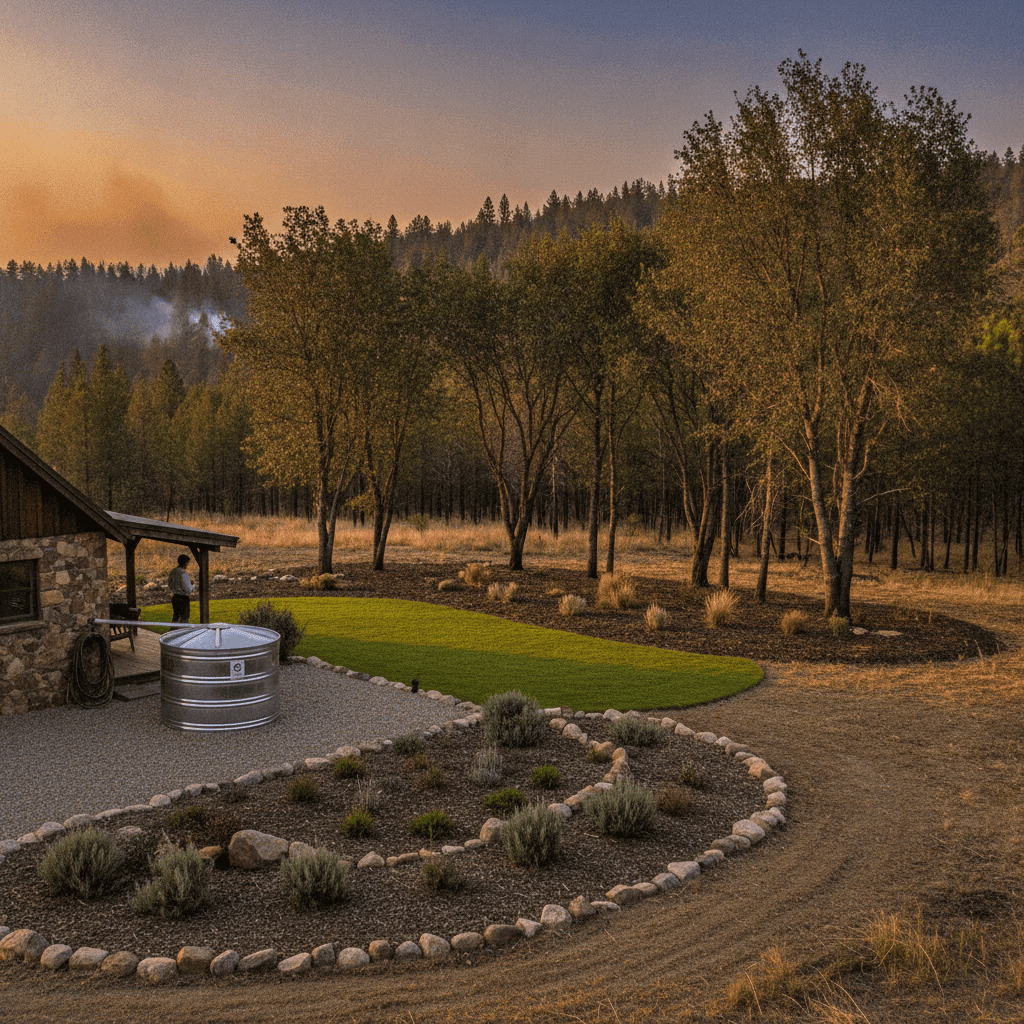
Living in the countryside offers a special kind of peace and connection with nature. I know many people who choose this lifestyle because they love the open spaces and quiet surroundings. But with this beauty comes a serious responsibility, especially when it comes to the threat of wildfires. These fires can spread quickly, turning peaceful landscapes into dangerous zones in a matter of hours.
I have spent a lot of time learning about home safety, and rural areas present their own set of challenges. We must understand how to protect our homes and families from these powerful natural events. It is not about living in fear, but about being prepared and taking smart, preventative steps.
Protecting your property means thinking ahead and making thoughtful choices about your home and yard. By focusing on practical, actionable strategies, you can greatly reduce the risk. My goal here is to share some of the most effective ways to keep your countryside home safe from wildfires.
Creating Defensible Space Around Your Home
One of the most effective strategies to keep your countryside home safe from wildfires is to create a defensible space. This is a buffer zone you establish between your home and potential fuel sources, like dry brush or trees. It helps slow down or stop a fire from reaching your house. I always tell people that a well-maintained defensible space can be the difference between a home surviving a wildfire and being destroyed.
This space is usually divided into three zones, each with its own set of guidelines. Thinking about these zones helps to organize your efforts and ensure thorough protection. We aim to remove flammable materials and create gaps that fire cannot easily jump across. The effort involved will be worth it for the peace of mind you gain.
Zone 1: Immediate Care (0-5 feet)
The first zone is the most critical area immediately surrounding your home, extending out to about five feet from the foundation. I consider this the “lean, clean, and green” zone. Here, we want absolutely no combustible materials. This means moving firewood stacks, propane tanks, and outdoor furniture that can catch fire far away.
Remove all dead leaves, pine needles, and other debris from your roof, gutters, and around your foundation. Keep your lawn mowed short and remove any dry plants. I also recommend using non-combustible landscaping materials like concrete, gravel, or stone in this area. This creates a barrier that embers cannot easily ignite.
Zone 2: Reduced Fuel (5-30 feet)
The second zone extends from five feet out to 30 feet from your home. This area needs careful management to reduce the intensity of a wildfire. Here, the goal is to reduce fuel load and create breaks in vegetation. I often advise people to prune trees, removing branches that are within 10 feet of other trees or structures. Also, remove all dead or dying vegetation, including grasses and shrubs.
You should also thin out dense clusters of shrubs and small trees. Spacing them out makes it harder for fire to spread. When I look at properties, I suggest replacing highly flammable plants with more fire-resistant species in this zone. We want to interrupt the path of any fire that might approach your house.
Zone 3: Thinning and Spacing (30-100+ feet)
Zone three extends from 30 feet to at least 100 feet from your home, sometimes further depending on your property and local regulations. The main purpose here is to interrupt the fire’s path and reduce its spread. This involves selectively thinning trees and shrubs. Maintain a good horizontal and vertical spacing between plants.
I focus on removing small, highly flammable trees and shrubs. This creates an area where firefighters can work more safely. It is important to continue to remove dead plant material and keep grasses mowed. These efforts contribute to effective rural wildfire safety measures, protecting homes across broader landscapes.
Hardening Your Home Against Embers
While creating defensible space helps keep the flames away, embers are a major cause of home ignition during wildfires. These tiny, glowing pieces of burning material can travel long distances. They can start new fires when they land on or enter vulnerable parts of your home. I have seen firsthand how homes with hardened exteriors fare much better in a wildfire event.
Hardening your home means making structural changes to resist ember ignition. It is a vital step in comprehensive fire safety planning. We can significantly improve a home’s chances of survival by focusing on key areas. Each small change adds to the overall resilience of the structure.
Roof and Vents
Your roof is the most vulnerable part of your home to embers. I recommend using fire-resistant roofing materials like Class A asphalt shingles, metal, or tile. Regularly clean leaves and pine needles from your gutters and roof surface. Embers can easily ignite these materials.
Vents are another common entry point for embers. I always suggest installing fine mesh screens, typically 1/8 inch or smaller, over all attic, foundation, and soffit vents. This prevents embers from entering while still allowing air circulation. These small details make a big difference.
Windows and Doors
Windows and doors can also be weak points. Standard single-pane windows can break from the intense heat of a wildfire. This creates an opening for embers and flames. I recommend dual-pane windows with tempered glass for better heat resistance. Keep vinyl frames in mind because they can melt.
For doors, use solid core doors made of fire-resistant materials. Metal or fiberglass doors are much safer than hollow wood doors. Install weather stripping around doors and windows to seal any gaps where embers could enter. These measures contribute to a robust home defense.
Decks and Outdoor Structures
Decks, patios, and other outdoor structures are common ignition points. Remove all combustible materials from under and on top of your deck. This includes dry leaves, firewood, and stored items. I often see people store things here that can easily catch fire.
Consider using fire-resistant decking materials if you are building or renovating. Screen in the areas under your deck to prevent embers from accumulating. These actions extend your defensible space to your attached structures. They help keep your countryside home safe from wildfires by eliminating hidden fuel sources.
Maintaining Your Landscape for Fire Safety
Creating defensible space is not a one-time project. It requires ongoing maintenance throughout the year. I have learned that consistent effort makes all the difference in wildfire preparedness. A landscape that looks tidy can still pose a fire risk if not properly managed. We need to think about vegetation not just as aesthetics, but as potential fuel.
Regular maintenance ensures that your property remains fire-resistant. This includes more than just mowing the lawn. It involves strategic pruning, mindful plant selection, and prompt debris removal. These actions work together to create a safer environment for your home.
Regular Pruning and Trimming
Pruning trees and shrubs is crucial for fire safety. I recommend removing dead or low-hanging branches from trees, especially those near your home or power lines. Aim to keep tree branches at least 10 feet away from your roof and chimney. This prevents fire from climbing into the tree canopy and spreading to your house.
Trim shrubs and bushes to remove dry or dead growth. Create space between individual plants to prevent fire from spreading easily from one to another. It is also important to clear out any ladder fuels. These are smaller plants or branches that allow fire to climb from the ground into taller vegetation.
Choosing Fire-Resistant Plants
Selecting the right plants for your landscape can significantly reduce fire risk. I always suggest opting for fire-resistant species, especially in Zones 1 and 2 of your defensible space. These plants tend to have high moisture content in their leaves and stems, and they do not accumulate a lot of dead material.
Some good choices include succulents, various deciduous trees, and certain herbaceous plants. Avoid highly flammable plants like juniper, common sage, and some types of ornamental grasses. Research what grows well and safely in your specific region. This smart planting can help keep your countryside home safe from wildfires.
Emergency Planning and Evacuation Procedures
Even with the best preventative measures, a wildfire can still pose a threat. Having a solid emergency plan and knowing evacuation procedures are essential. I have found that clear communication and practice can save lives and reduce panic during an actual emergency. It is not enough to just hope for the best.
A good plan covers everything from how your family will get out to what you will take with you. We need to prepare for the unexpected and ensure everyone knows their role. This proactive approach brings peace of mind and improves response time in a crisis.
Developing a Family Plan
Every household should have a detailed emergency plan. I suggest sitting down with your family to discuss escape routes from your home and neighborhood. Identify at least two ways out. Designate a meeting point outside your home and another outside your neighborhood in case you get separated.
Practice your evacuation plan regularly, so everyone knows what to do. Include pets in your plan because they are part of the family. Keep important contact numbers written down, not just stored on phones, in case of power outages. A well-rehearsed plan makes a huge difference.
Emergency Kit Essentials
Assemble an emergency kit with supplies for at least three days. I recommend keeping this kit in an easily accessible location. We need to be able to grab it and go quickly. Think about what you would need if you had to leave immediately and could not return for a few days.
Your kit should include:
- Bottled water and non-perishable food
- First-aid supplies and any necessary medications
- Flashlights with extra batteries
- A battery-powered or hand-crank radio
- Copies of important documents like insurance policies and identification
- Cash, as ATMs may not work during an outage
- Personal hygiene items
- A whistle to signal for help
- Masks for smoke protection
Having these items ready prevents last-minute scrambling during a stressful situation.
Understanding Fire Weather and Alerts
Staying informed about local weather conditions and fire danger ratings is a basic but powerful way to protect your home. I always emphasize that knowledge is a key tool in fire prevention. Understanding what makes a “fire weather day” helps us adjust our activities and readiness. It allows us to be proactive instead of reactive.
Local authorities and weather services provide valuable information that we should pay close attention to. We need to know where to find these alerts and what they mean for our immediate safety. This awareness helps keep your countryside home safe from wildfires by allowing you to take extra precautions when needed.
Local Alerts and Resources
Sign up for local emergency alerts through your county or state fire department. These alerts can notify you of current fire dangers, red flag warnings, and evacuation orders. I also recommend following local news and weather stations during fire season. They provide real-time updates.
Many communities have dedicated websites or social media pages that share fire information. Know these resources and check them frequently during dry periods. Having multiple sources of information ensures you stay informed and can act quickly if a threat emerges.
Understanding Fire Danger Ratings
Fire danger ratings provide a simple way to understand the current risk. These ratings, often displayed on signs in rural areas, indicate how easily a fire can start and spread. I teach people to recognize what each level means. For example, a “red flag warning” means critical fire weather conditions are either happening or are expected to happen.
When fire danger is high, I advise everyone to be extra careful with any outdoor activity that could spark a fire. This means avoiding burning debris, limiting vehicle use in grassy areas, and being cautious with anything that produces sparks. These ratings are a guide for safe behavior.
Community Involvement and Resources
Protecting a countryside home from wildfires is not just an individual effort. It is a community responsibility. I have seen the strength and effectiveness of neighbors working together. When everyone takes steps to reduce fire risk, the entire community becomes safer. This collective action multiplies the impact of individual efforts.
Engaging with local fire departments and community groups provides valuable support and resources. We can learn from each other and share the workload. This shared commitment creates a powerful network of defense against wildfires.
Many areas have programs like Firewise USA, which helps communities develop plans and implement strategies for wildfire preparedness. I encourage everyone to explore these local initiatives. They often offer educational workshops, volunteer opportunities, and expert advice. Participating builds a stronger, more resilient community.
Conclusion: Protecting Your Rural Home Requires Vigilance and Action
Keeping your countryside home safe from wildfires is a continuous process that demands attention and proactive measures. We have covered the essentials, from creating a robust defensible space to hardening your home against embers. I have also stressed the importance of regular landscape maintenance and having a solid emergency plan ready to go. Understanding fire weather and engaging with your community are equally vital steps. Each action you take, no matter how small, adds a layer of protection for your property and your loved ones. We cannot control every aspect of a wildfire, but we can control our preparedness and response. I urge you to review your property with these guidelines in mind and implement changes as soon as possible. Your diligence today will be your greatest defense tomorrow.